
von
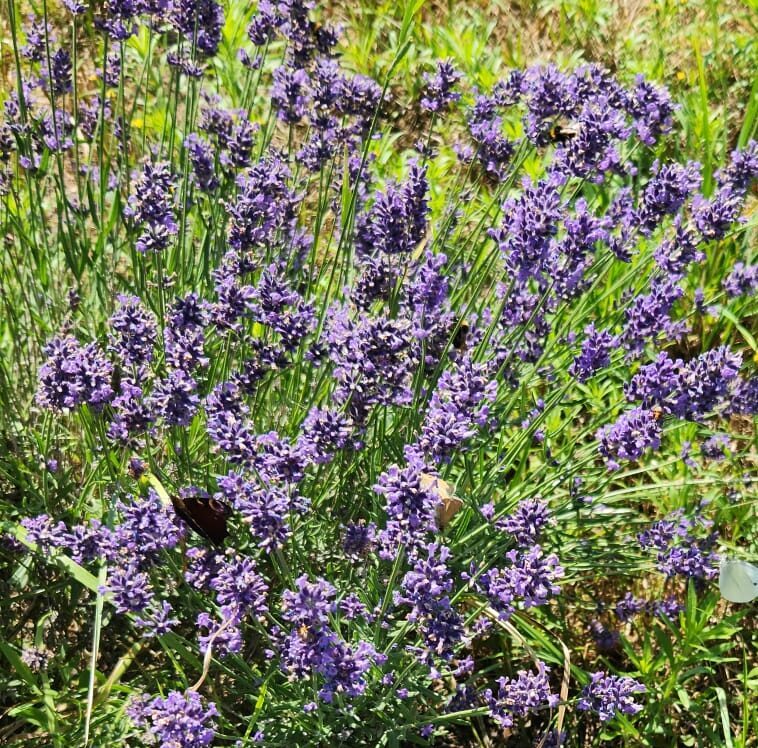
Lavender carries an ancient lineage originating in the mountainous regions of North Africa and the Mediterranean basin. A distinguished member of the mint family (Lamiaceae), this aromatic herb was spread across Europe by the Romans, who prized it for personal hygiene and bathing—giving rise to its genus name Lavandula, derived from the Latin lavare, meaning „to wash“. As trade routes expanded through the Middle Ages, lavender found a permanent home in monastic gardens and traditional medicine, treasured as a natural antiseptic, a preservative for linens, and a calming remedy long before modern science isolated its key active constituents like linalool and linalyl acetate. [1-3]
Major Active Compounds in Lavandula angustifolia Essential Oil and Their Standard Ranges [4].
| Compound | Range (%) |
| Linalool | 20.0 – 45.0 |
| Linalyl acetate | 25.0 – 47.0 |
| Terpinen-4-ol | 0.1 – 8.0 |
| 3-Octanone | 0.1 – 5.0 |
| 1,8-Cineole (Eucalyptol) | Maximum 2.5 |
As can be seen in the table, the two main components of lavender essential oil are linalyl acetate and linalool. The effects of linalool have already been discussed in its own section, these being the blockage of glutamate receptors and the enhancement of GABA activity.
However, linalyl acetate plays a distinct and equally vital role in shaping the overall therapeutic profile of lavender essential oil. While linalool acts predominantly as a central nervous system depressant and neuroprotectant, linalyl acetate serves as a powerful regulator of the autonomic nervous system and vascular tone.